Ines Long · 4 September 2026
Navigating Post-Migration Audience Retention in Subscription Web Platforms
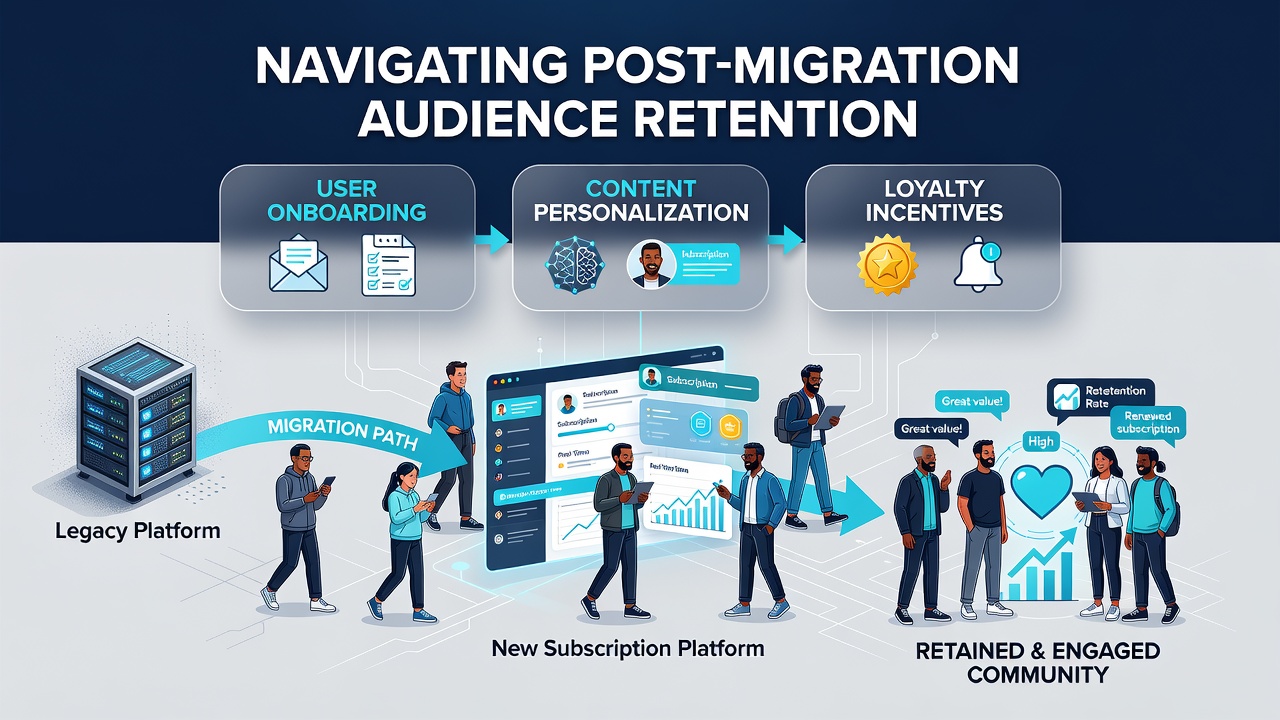
Subscription web platforms face distinct hurdles when they complete a migration to new infrastructure or domains, and research from digital analytics firms indicates that audience retention rates can drop by 15 to 30 percent in the first quarter following such changes because users encounter broken links, altered login flows, and disrupted notification preferences. Observers note that successful navigation of this period requires coordinated efforts across technical, communication, and content teams, while data shows that platforms which implement proactive outreach retain higher percentages of paying subscribers compared with those that rely solely on organic recovery.
Core Challenges After Migration
Technical shifts during migration often interrupt search engine indexing and user authentication systems, and studies from the Interactive Advertising Bureau reveal that organic traffic to subscription sites frequently declines for 60 to 90 days while new URLs gain authority. Email deliverability can suffer when domain changes trigger spam filters, whereas payment processor integrations sometimes create billing interruptions that prompt immediate cancellations. Those who have analyzed platform logs after migrations report that mobile app users experience higher friction when session tokens expire without seamless redirects, and this leads to account abandonment at rates that exceed desktop churn by notable margins.
Behavioral data collected across multiple subscription services demonstrates that long-term members who have accumulated personalized recommendations become particularly sensitive to interface alterations, and a single disrupted recommendation engine can reduce engagement metrics for weeks. Platforms that fail to preserve historical usage data during the transfer process observe accelerated losses among power users, while newer subscribers tend to return at steadier rates because their expectations remain lower.
Communication and Re-engagement Tactics
Effective retention begins with transparent messaging sent through multiple channels before and after the migration date, and industry reports from the Direct Marketing Association indicate that segmented email sequences explaining upcoming changes achieve open rates 25 percent above standard newsletters. In-app banners and push notifications serve as secondary touchpoints that reinforce the primary message, while those responsible for customer success teams often schedule live webinars to demonstrate new features and address concerns in real time. Research shows that offering temporary incentives such as extended trial periods or loyalty credits correlates with lower cancellation volumes during the stabilization window.
One analysis of European subscription services that migrated in 2025 found that combining personalized video tutorials with account migration tools reduced support ticket volume by nearly half, and this allowed teams to focus resources on high-value accounts instead of widespread troubleshooting. Platforms operating in North America have documented similar patterns when they prioritize SMS reminders for users who have not logged in within 14 days of the transition.
Measurement and Adjustment Frameworks
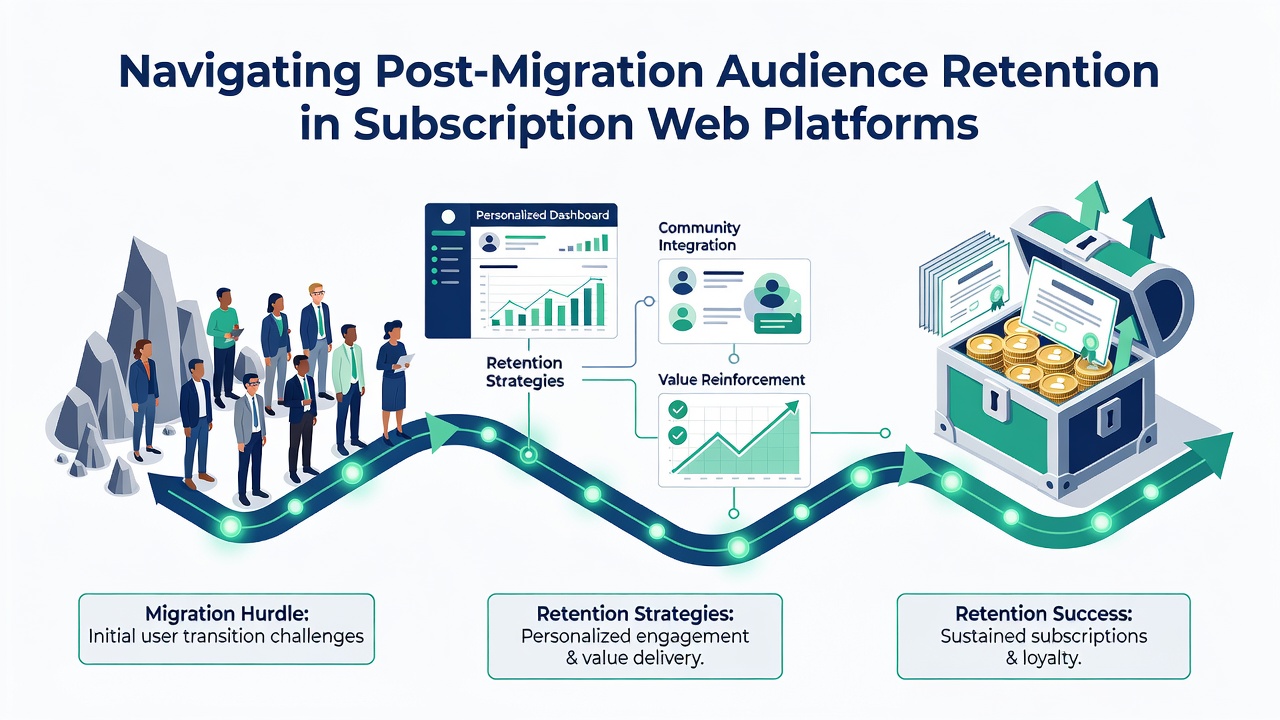
Key performance indicators tracked after migration include churn rate, average revenue per user, and session frequency, and analysts at research institutions such as the Pew Research Center emphasize that comparing pre- and post-migration cohorts over identical timeframes yields the most reliable signals. Cohort analysis reveals whether retention issues stem from the migration itself or from seasonal factors, while heat-mapping tools highlight which pages lose the most returning visitors. Teams that establish weekly review cycles can adjust messaging and feature priorities quickly, and this iterative approach has been shown to stabilize metrics within eight to twelve weeks in multiple documented cases.
By September 2026, updated privacy regulations in several jurisdictions are expected to require explicit consent reaffirmation after domain changes, and platforms preparing for this shift have already begun testing double-opt-in flows that maintain compliance without adding excessive friction. Data from the Australian Competition and Consumer Commission indicates that services which streamline these consent steps experience fewer account deletions than those using lengthy forms.
Long-Term Recovery Patterns
Recovery trajectories vary by platform size and user demographics, yet consistent patterns emerge across published case studies: sites that maintain content freshness and continue publishing at pre-migration volumes regain search visibility faster than those that pause production. Integration with third-party analytics platforms allows for granular tracking of referral sources that replace lost organic traffic, and partnerships with affiliate networks can offset temporary declines. Observers note that subscription platforms serving specialized niches often recover more quickly because community forums and direct relationships provide alternative discovery paths that general-interest services lack.
Evidence from longitudinal studies conducted by academic researchers at institutions in Canada and the European Union suggests that combining retention campaigns with product improvements yields compounding benefits, as retained users become more likely to upgrade tiers once stability returns. Platforms that treat the post-migration phase as an opportunity to audit and refresh onboarding sequences report higher lifetime value figures than those focused exclusively on damage control.
Conclusion
Navigating audience retention after a subscription platform migration demands systematic attention to technical continuity, clear communication, and ongoing measurement, and organizations that coordinate these elements across departments achieve more stable subscriber bases. Available data from government agencies and industry research groups demonstrates that proactive strategies implemented in the weeks surrounding migration produce measurable differences in retention outcomes, while delays in response allow churn to compound. As platforms prepare for evolving regulatory landscapes projected through 2026, the ability to preserve user trust during infrastructure changes remains a central factor in sustained subscription growth.